Meet T.C. and Kristen Johnstone
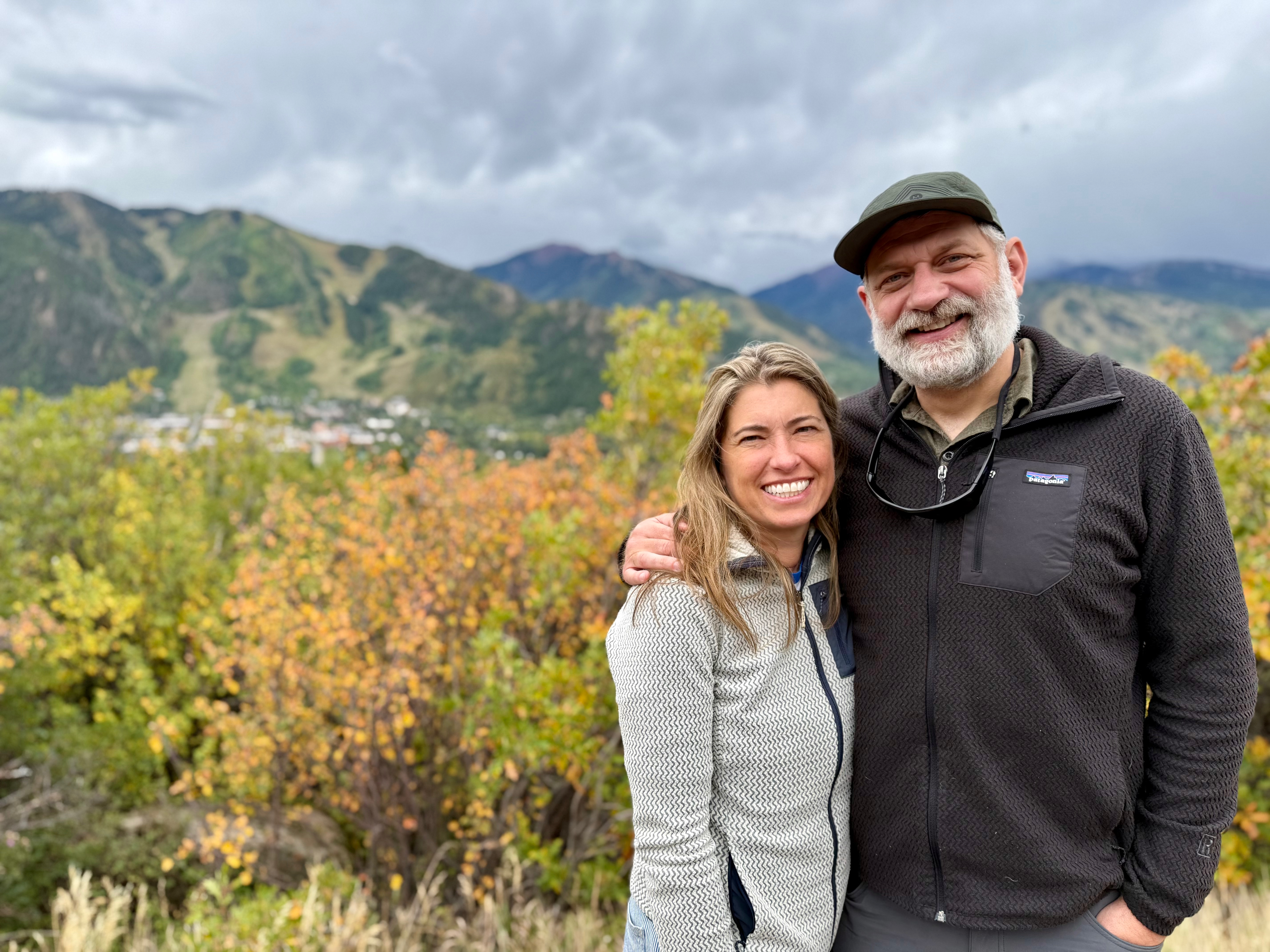
T.C. and Kristen Johnstone are a husband and wife impact documentary filmmaking team and the founders of Doc Film School. They live in Boulder, Colorado.
For the past 25 years, they’ve made their living directing and producing documentary films using this exact system.
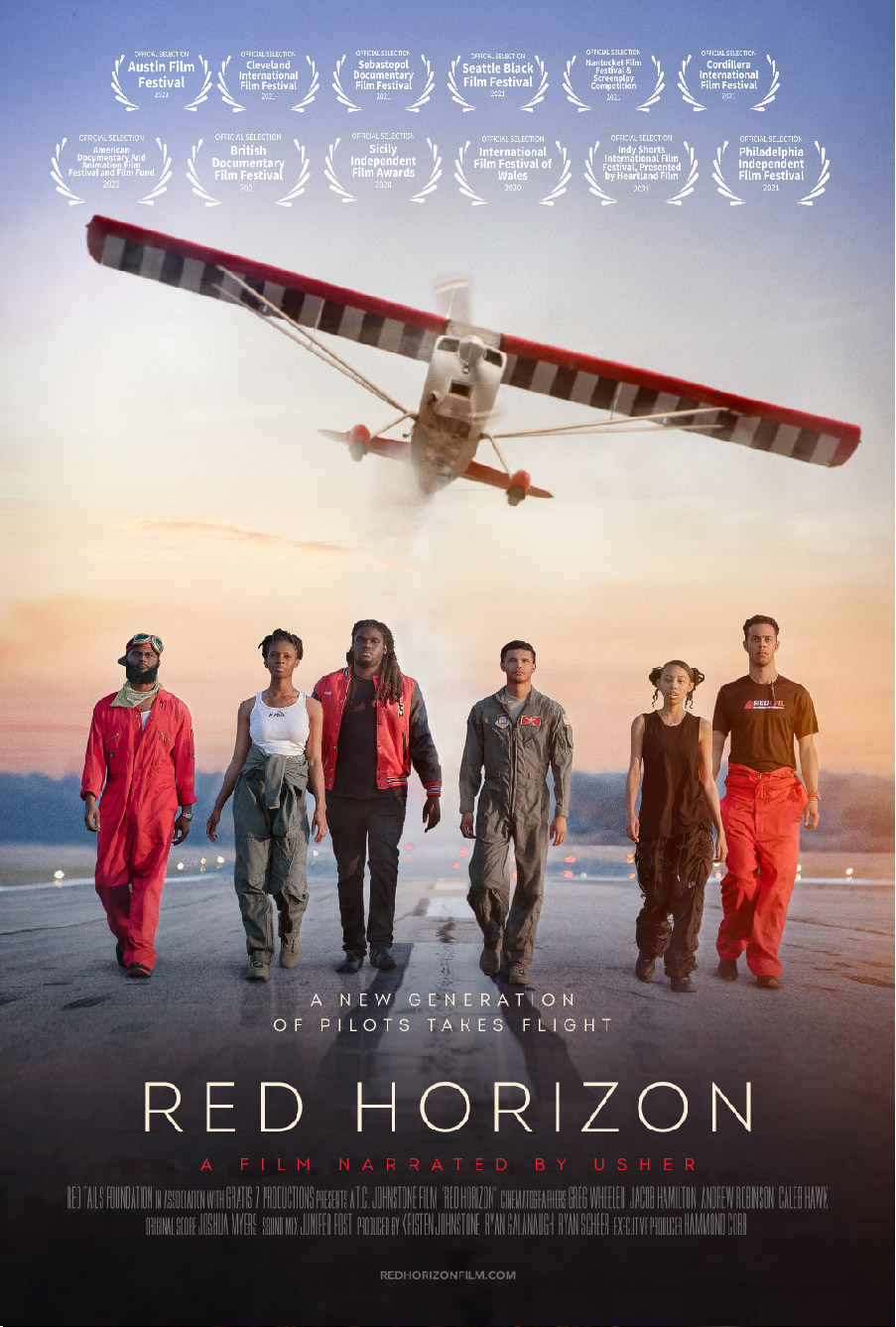
They’ve raised over $4 million to fund their work. Their films have been released theatrically, distributed in the U.S. and internationally, and shown on platforms like Netflix, Amazon, and Apple, reaching audiences around the world.
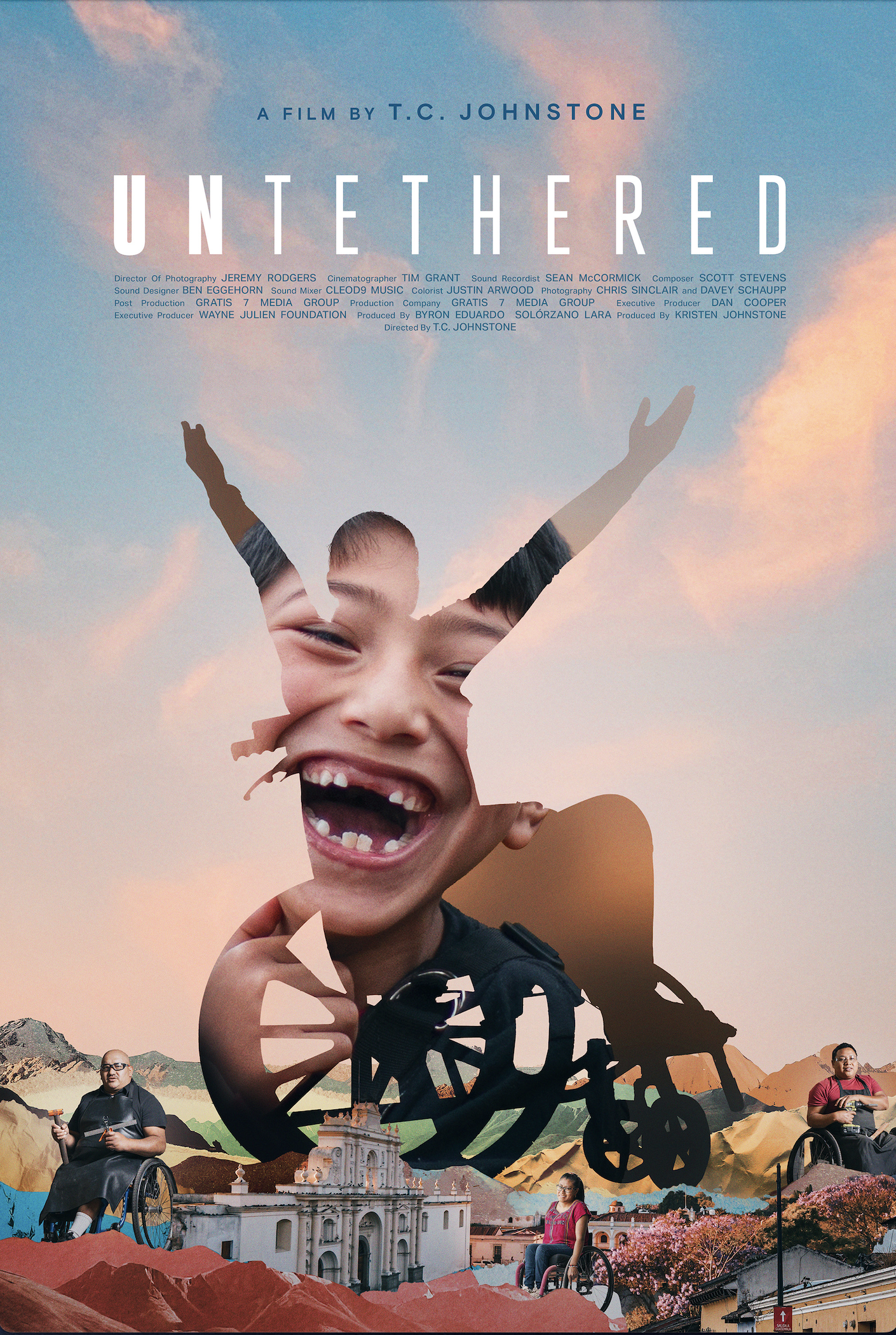
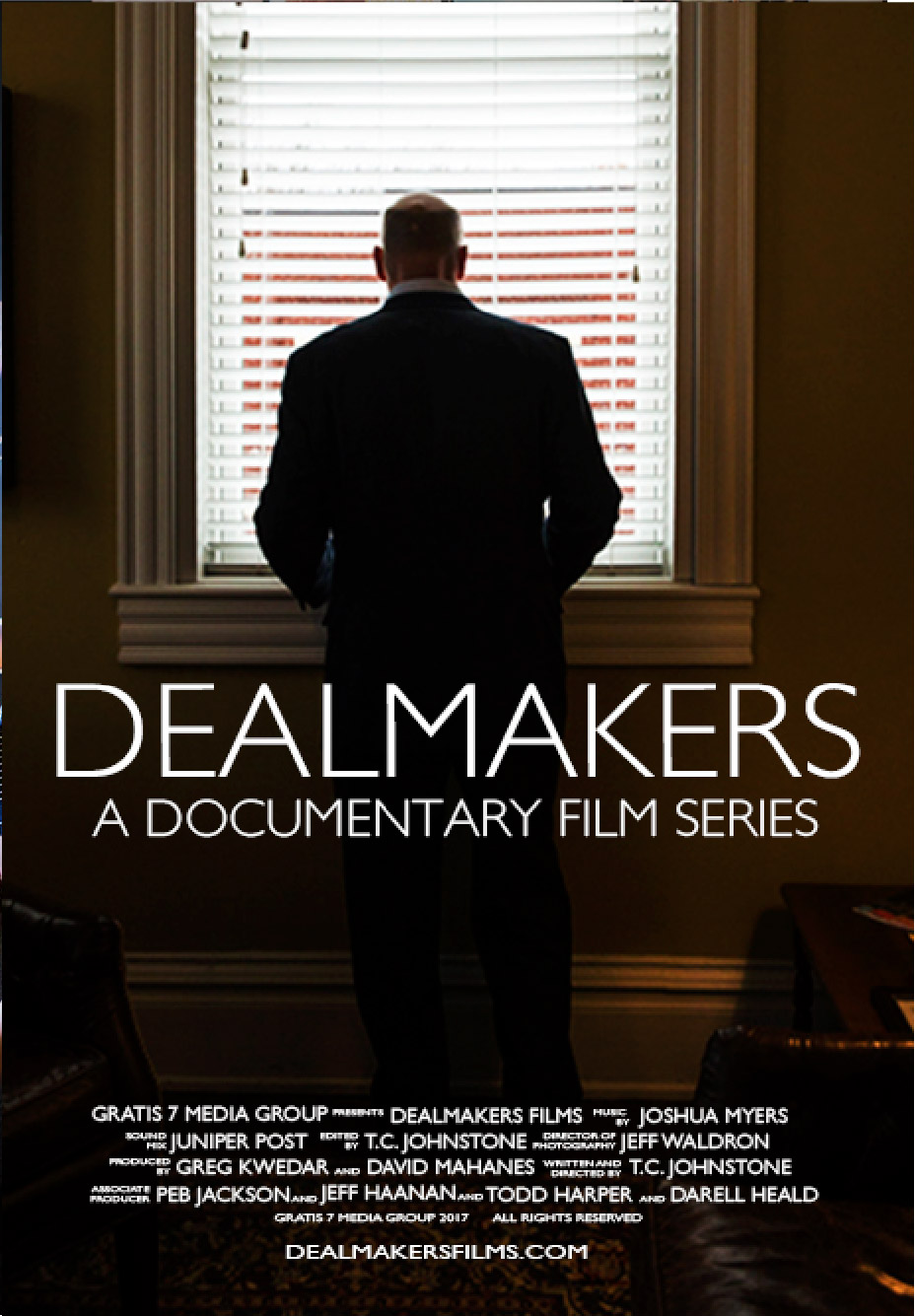
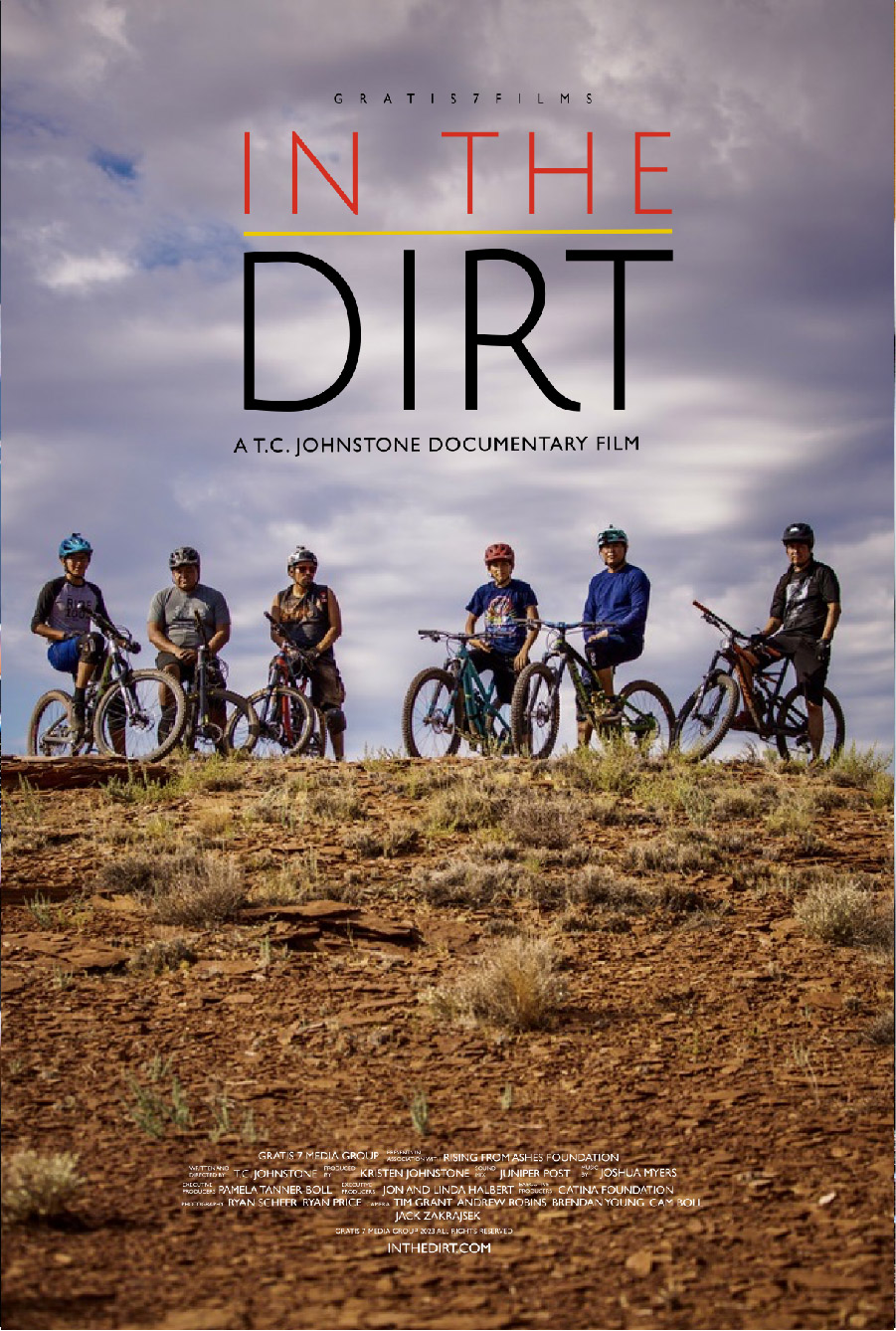
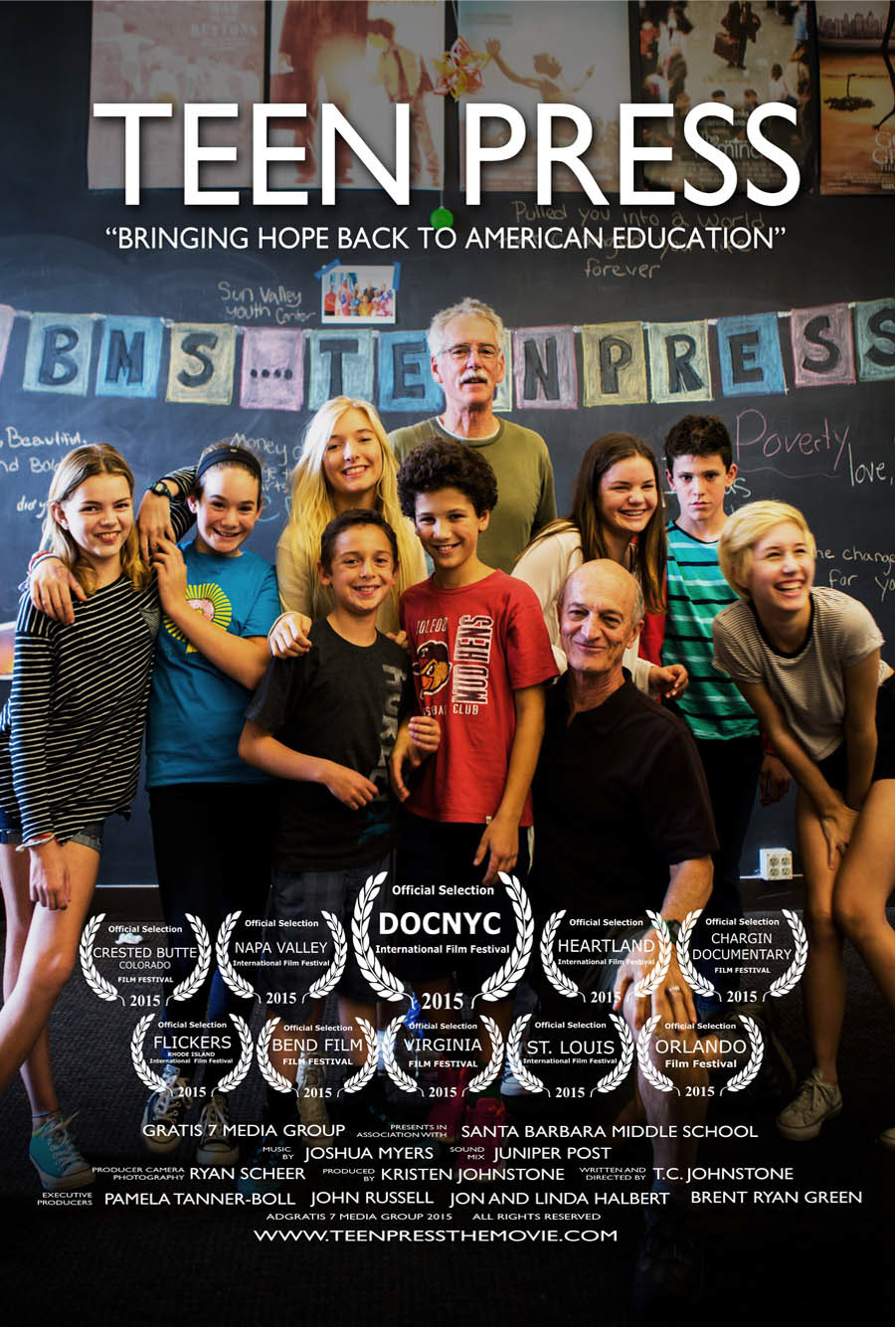
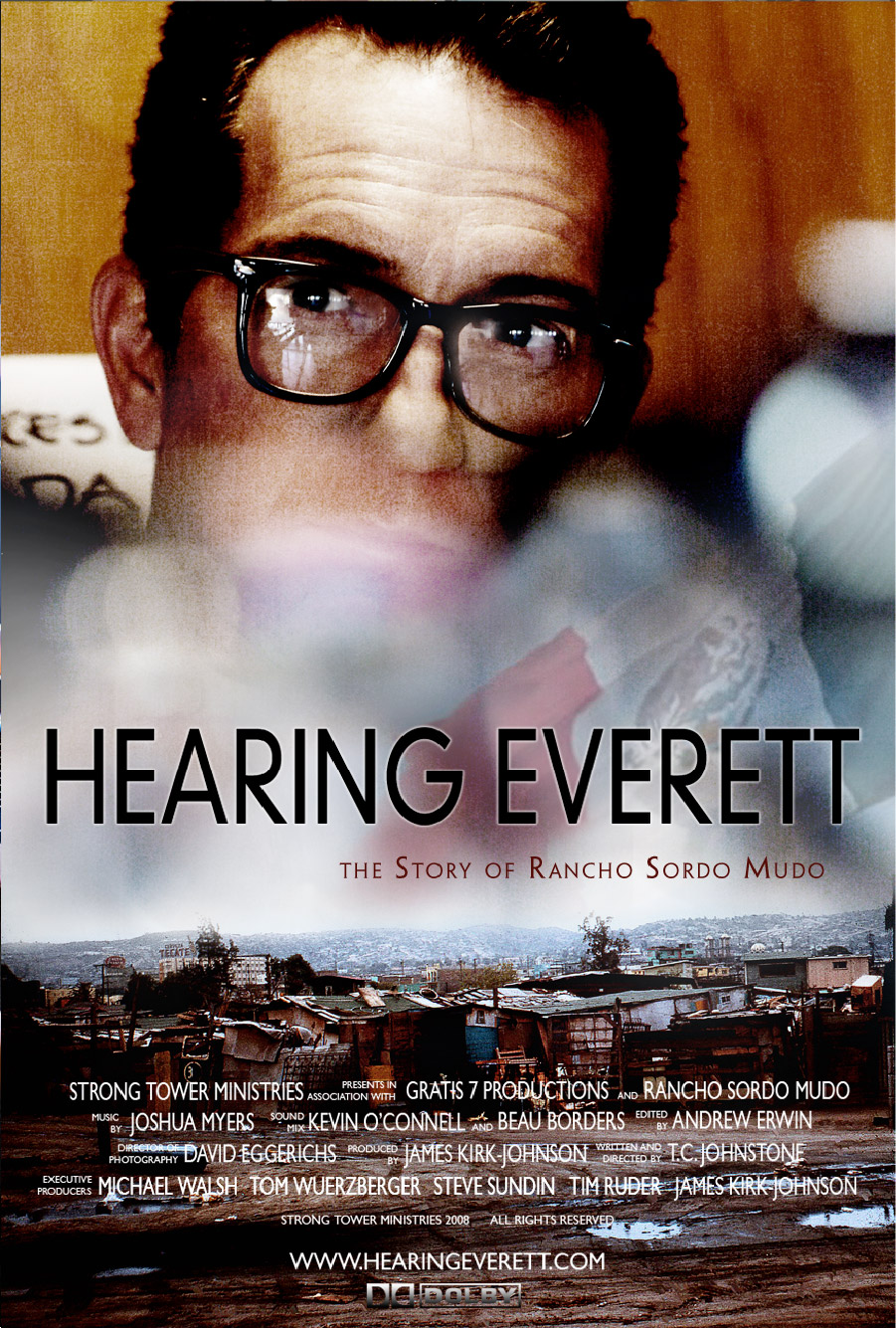
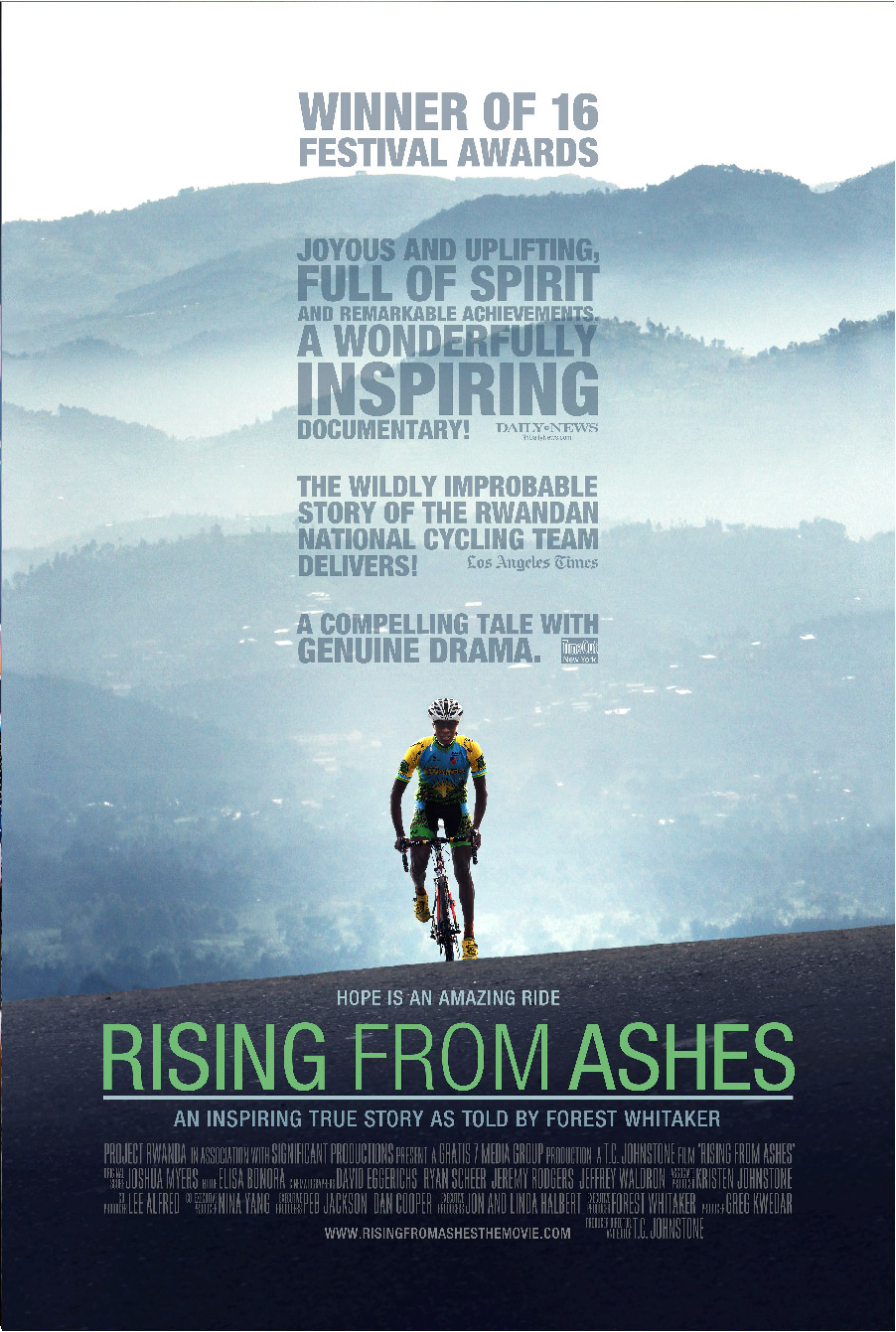
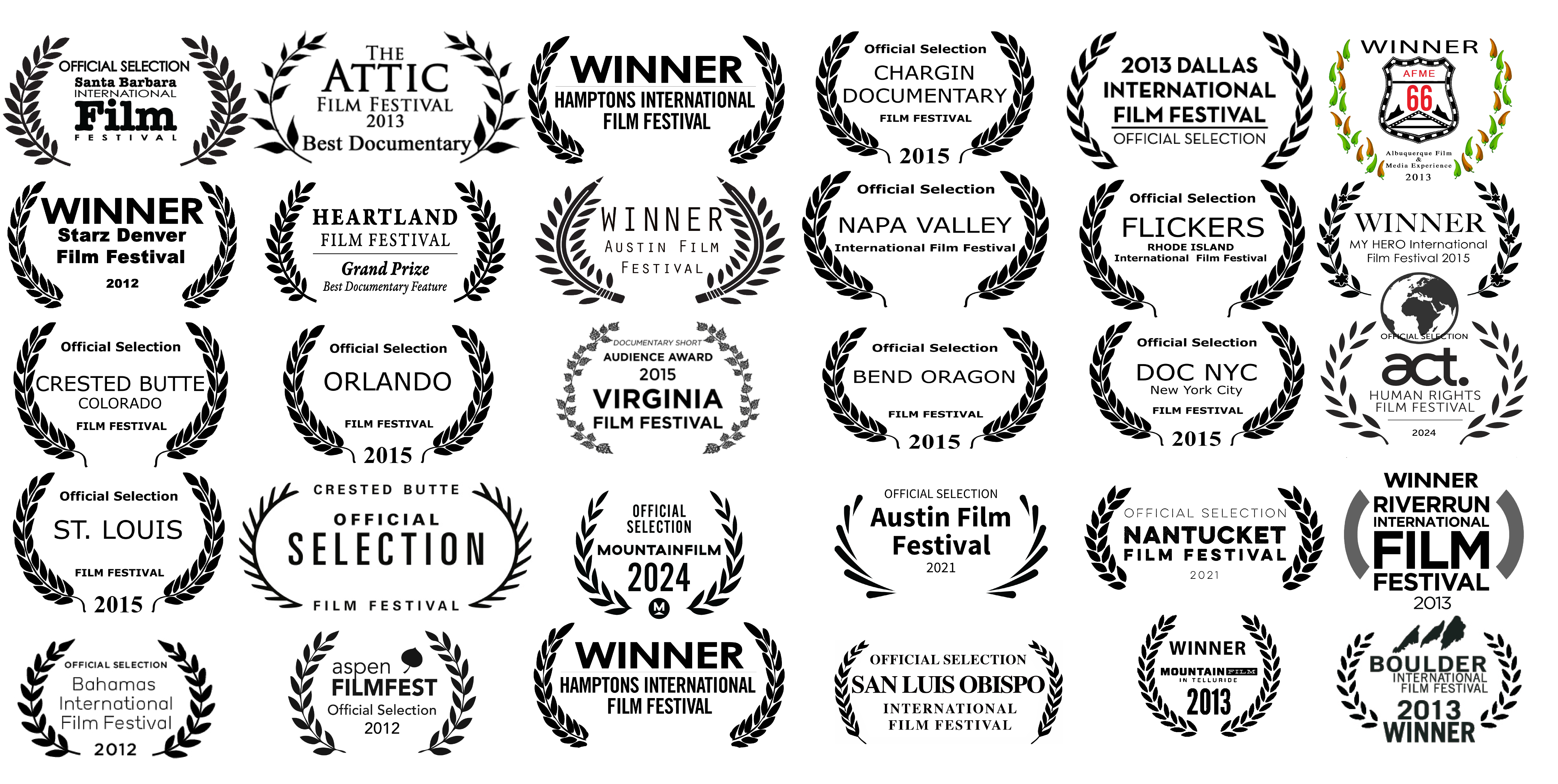
Their work includes Rising From Ashes (executive produced by Forest Whitaker), which won awards at 19 film festivals and helped launch a nonprofit, as well as In the Dirt and Untethered, films built for community screenings and long-term measurable impact.
Kristen produces, researches, and leads impact campaigns for each film as well as helps instruct within the DFS community.
They’ve worked in over 63 countries building films the same way they teach inside Doc Film School.
This is the system behind their work.



The Back story of Doc Film School
About 25 years ago, I picked up a camera and started making documentaries. It began with short pieces, just going out and shooting. One opportunity led to another, and eventually I found myself making my first feature documentary. When that film was released, something unexpected happened. I loved making it, but what stayed with me was the audience. People were moved and wanted to participate. They didn’t just watch the film, they wanted to get involved. That meant more to me than just making movies. It made me want to keep going.
So we made another film, Rising From Ashes. It did very well, and people started to trust that we knew what we was doing. But if I’m honest, it didn’t feel that way. It felt like I had gotten there partly by chance, maybe even luck. There’s probably some truth to that. But it forced me to see something clearly: knowing how to tell a good story is only part of being a documentary filmmaker.
So I started paying attention to the other half, the part no one really talks about. The business. The systems. How films actually move through the world and create impact. Over time, I began to see that what we were trying to do didn’t really fit inside the traditional Hollywood system. So instead of forcing it, we started building something different. We didn’t call it anything at the time, we just kept building a it, project after project, year after year, refining the system and solving problems.
About 15 years in, something shifted. Filmmakers started reaching out to us. They had heard about what we were doing that we were making films we cared about, creating real impact, and making a living doing it. Not just once, but over and over again. They had lots of questions, and we would share our solutions. At one point, I was spending 15 to 20 hours a week talking with filmmakers walking them through funding, distribution, decisions, and all kinds of roadblocks. That’s when it became clear this wasn’t just a few isolated problems. It was a system problem. But the biggest issue was that most filmmakers were trying to figure it out on their own, and it was slow, lonely, and discouraging.
That’s when I knew giving one off advice wasn’t working. So I went looking for a better way. For about six months, I looked for someone who had already built a solution. I researched courses, programs, and even 4 year film schools. There was no shortage of places to learn how to make films, but almost nothing that showed you how to build a sustainable business doing it. I knew that documentary filmmakers weren’t trying to get rich, but they did need a way to get off the financial and relational roller coaster. I've been there and it's awful.
That’s when things started to come into focus. Filmmakers don’t just need information, they need people. A trusted community. And they need something practical they can use right now. They need a business blueprint that connects the whole process. Not only that, they need real opportunities, connections, funding, and jobs so they can keep moving forward. And whatever it is, it has to last through industry changes, technology shifts, and everything that’s coming next. Most of all, it has to work. Not in theory, but in real life. That was the vision. And honestly, it felt overwhelming.
So I started building. It became a second job for three and a half years. I learned new tools, took courses on how to design a school, and then I started writing. I refined our templates, our systems, our process so it could easily be used by other filmmakers. At every step, I asked the same question: how do we make this simpler, more usable, and something that helps creatives solve real problems?
Doc Film School is built from real projects, not theory, so we know it works. It doesn’t avoid the hard parts but it gives you a clear path forward thats you can understand.
We love filmmakers and we built DFS to help documentary filmmakers make films without the business getting in the way. It’s a community of people going the same direction, taking on the hard parts, together. Honestly, the best part of DFS now is hearing other creatives say, "thank you, this stuff actually works.”
To learn more, you can visit our Youtube Channel, Instigram, or our Production company website.
We appreciate you. Were glad your here!